Tag Archives: inspiration

Scraping the Bottom of the Ideas Pot? Try This!

Sometimes the flow of creativity just STOPS, for whatever reason. It feels suspiciously like scraping the bottom of the pot for the last bits of dinner (thus the title of this post)–you hope and hope you’ve got enough in there to feed you, but you fear you’ve run out.

For instance, I’m running into a lot of problems coming up with new topics for this blog, especially for my Monday and Saturday posts. For almost every idea I have, it feels like I’ve already done it (or I can look back through my posts and prove I’ve already done it).

So what’s a creative blogger girl to do, when it’s time to come up with a new week of posts but there’s no more ideas? Simple–revisit and revamp! And that’s what I suggest to you, if you’re stuck in a similar creativity rut:

#1: Look Back through Old Ideas

Whatever creative project you’re stuck on, look back through your completed projects, especially the ones you’re most proud of. This alone may be inspiration enough to start a new project or to get you going again on your “stuck” project, but if you’re still stuck, pick out 2 or 3 completed projects you’re not quite as proud of, and move on to step 2.

(Example: I’ve looked back through my old blog posts and found a few that, well, aren’t my best work.)

#2: Think: “How could I do this better?”

Study those completed projects. Even though they’re complete, is there anything you would like to go back and do differently? Are there any choices you regret making during the creative process last time? Review your creative project with a critical eye, and really try to see what could be done differently. You don’t have to tear up the completed project–just make notes about what you see that could be done better.

(Example: While reading through my not-so-awesome blogs, I started thinking, “Hmm, I could make that paragraph shorter and more expressive…ooh, I could add in a bit more research to make this point stronger.”)

#3: Make An Old Project New Again

Using your completed projects as guidelines, start reworking and reshaping those ideas. Like I said, don’t get rid of the completed work–use it as mental scaffolding to build your new creative project. Try new things with old ideas; the old dogs might just have a few new tricks you didn’t see before. Bring in some research or some other people’s opinions as well…whatever helps!

(Example: After discovering I could write these blog posts better, I drafted new versions of them and read them aloud to myself, seeing if the words flowed better this time, or if the posts were stronger this time.)

Result: Better Quality Work, Happier You!

Once you start grappling with actual ideas instead of having anxiety about not being creative, your mental creativity factory can begin to work again–or at least, mine has! You may not finish your revising/revamping work right away, especially if you get energized to work on your new project again, and that’s perfectly okay. Let the creativity flow as it will, and I promise you that you’ll be happier with it!

8 Strange Sculptures You Won’t Believe

When most of us think of sculpture, we think of cool, well-lit enclosed galleries, polished floors and glass cases where either a well-realized human form or some crazy angular abstract thing is on display. To the average human (aka me), sculpture is a weird, rather unapproachable art form for these reasons.

Thankfully, there are sculpture artists who think differently–who have literally thought outside the glass box and created amazingly weird (and funny) pieces of art that we can study, laugh at, and even interact with. In this way, they exemplify what it means to be creative: making stuff that no one else has attempted, just because no one else has done it and it sounds cool or funny. Here are some examples:

hangingoutman
Looks like a pretty normal statue…except it’s hanging by one hand! How’d they do that?! (image source)

spilledcoffeefaces
This sculpture just speaks to me–it says “STARBUCKS.” (Also, you might be addicted to coffee if your whole face is made out of it…image source)

weirdblueguitar
Awesome way to both celebrate music and a musical instrument, with this neon-blue outdoor guitar sculpture. (image source

babystrollerwatermelon
Aww, this is cute–sculpture can be small and sweet (and edible), yet still bring happiness! (image source)

tracksculpture
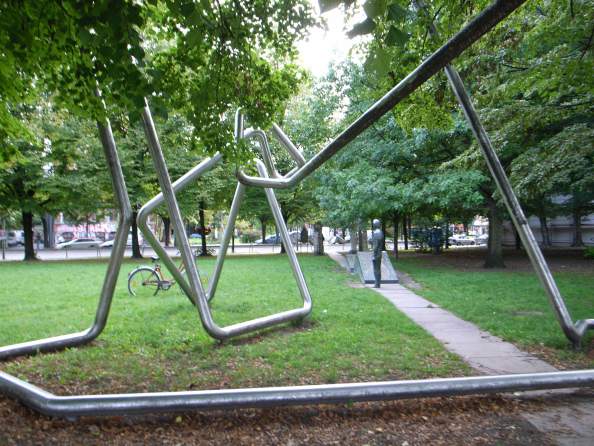
These slender metal sculptures out in the middle of nature are what I like to call “Earth decorations.” (image source)

flexiblepapersculptures
Stretch it, play with it (or prank somebody with it) and yet it retains its shape–nope, it’s not some sort of goop, it’s PAPER! (image source)

singingringingtree
Not only is this a really neat-looking tree made out of pipes, it also makes sounds when the wind blows! (Video/audio of this “Singing Ringing Tree” available by the following link–it sounds SO creepy and cool. image source)

pugpeople
And sometimes, sculpture doesn’t need to make people think deeply–it just needs to give them a “What the–LOL!!” reaction. (image source)

Spiritual Metal: Gamelan Music

My studies of music have been windows into various cultures, and the style of music I’m writing about today is no different. I first learned about this in my “Music Cultures of the World” class in college, and it was easily some of my favorite music to learn about.

A Gamelan Crash Course (Figuratively Speaking)

Gamelan (pronounced “GAH-meh-lahn”) music comes from the islands of Java and Bali in Indonesia, and is based on defined musical scales, such as Pelog and Slendro, that differ significantly from Western scales. The word “gamelan” can reference both the type of musical ensemble that plays this music, and the style of music that said ensemble performs. A variety of different instruments, ranging from flutes and vocals to drums and all sizes of metallic gongs, make up the ensemble.

To Westernized ears, this music can sound more like people dropping pans in a busy kitchen at first. But, in reality, each gamelan song is a complex orchestral work, with each instrument built and tuned specifically to fit within its particular gamelan ensemble and no other. It has also influenced world music–even composers like Claude Debussy and John Cage brought in some of its concepts in their music!

The history of gamelan music is intertwined strongly with the spiritual traditions of the various cultures living in Indonesia, to the point that you pretty much can’t talk about gamelan without involving faith, and vice versa. Gamelan music is used in so many ceremonies and rituals, but it’s also broadcast on radio–it’s an integral part of
Indonesian life. It is, quite simply, a form of worship music, used to speak to the gods and invite them into human presence.

Gamelan Styles with Examples (Videos)

There are two broad categories for gamelan music. Javanese gamelan, featured in the first video below, is generally smoother, calmer, reverberant, rhythmical/flowing…it’s almost like being inside a giant, harmonic clock. Balinese gamelan sounds more “exciting,” with a harder, ringing metallic sound and faster, more complicated rhythms that don’t necessarily adhere to the clock-like, echoing steadiness of Javanese styles.

A third style, Sundanese gamelan, is from West Java, yet sounds slightly different from the Javanese style–to my ears, it tends toward the ringing metallic tones from Balinese gamelan. Check out the videos below to hear these styles:


Javanese gamelan


Javanese gamelan with dance performance


Balinese gamelan


Balinese gamelan (with some Javanese influences around 2 minutes in)


Sunda Javanese gamelan


Sundanese gamelan

To Learn More

Gamelan music @ Wikipedia
Javanese Gamelan Music Notation
Balinese Gamelan Rhythms
History of the Word “Gamelan”
American Gamelan Institute

Don’t Let Anyone Kill Your Art

This post arose out of a conversation I had with my little cousin (who is now 19 and in her second semester of college, so I guess she’s not so “little” anymore, lol). Around Christmas I asked her how her art classes had gone, knowing that she had planned to major in Art and had likely faced a rocky transition into college art classes. Boy, I didn’t know the half of it.

“Oh, I changed my major,” she replied when I asked her. “I took an art class and the teacher basically killed my desire to do any more art.” She went on to describe how the art teacher had insisted on each student doing dozens of drawings each week, ostensibly to “practice their skills,” but then apparently had used the opportunity to harshly critique rather than build their skills up.

She seemed pretty buoyant about the whole thing, and about her future in her new major, but I was sad about it. While we spoke, I encouraged her to keep at her art, even if it was only a hobby, and not to let it go just because of one teacher, whose opinions were not fact (and whose art teaching methods seemed a bit suspect).

Now, my advice, while perfectly fine, is easier said than followed. How often has my enjoyment of my own art been tainted because I didn’t get the reaction I expected from my audience? How often have I doubted myself and my abilities because of an offhand judgmental comment from someone else? When I make art, I am literally displaying part of my soul…and when someone else finds it unworthy or is indifferent to it, I am wounded as a result, even if I gamely try to continue on.

This is a dangerous path for us artists to travel; once we start prioritizing others’ opinions of our works (especially the ones that seem meant to destroy our desire rather than perfect our skill), then we can easily lose the passion for our art that we began with. And yet, many of us fall victim to this specifically because our art is so close to our selves. We have to actively combat this problem, otherwise the creative fountain within us will be stilled–not by lack of ability, but by the anxiety that comes from wondering whether anyone else will like what we make.

I leave you with this point: art, in whatever form it takes, is a subjective thing–the beauty of a piece can’t be quantified completely. Thus, no one else’s opinion is more unbiased than your own opinion when it comes to your artworks. If you like your work, and other people like it, that’s great. If you like your work, and you’re the only person in the world who likes it, so what? Art is meant to soothe, to inspire, and to be enjoyed rather than to be cut apart and analyzed to death like a dissected frog in a lab. If it only soothes, inspires, and brings enjoyment to its creator, then it has done what it was designed to do already; other people’s positive opinions are just icing on the cake (and the critical people don’t deserve a slice of the cake).

(now I just have to follow these words of wisdom when it comes to this blog! LOL)

Creativity Boost: Be Around Creative Folks Like Yourself

On November 18th, I had the unique pleasure of singing with a massive choral and orchestra group at Gardner-Webb University–we presented an evening of classical music the likes of which I hadn’t done since my college choir days. And boy, was it an evening of creativity and art! I was nearly bowled over with it!

I really didn’t expect to be so moved or touched by performing with this amalgam of musicians, and yet I was; I was up there singing my heart away, feeling for all the world as if I was in my element at last. I had come in dressed for performance like always, and some part of me viewed the event as “business as usual,” but it certainly wasn’t! With almost 400 people packing the stage for the choir/orchestra numbers, I felt myself part of a large, well-oiled musical machine, and it was ELECTRIC.

I got home, kinda dazed, after the performance, and wondered over my reaction for a little while. The thought that kept coming back was: “I was around people like ME!” All of the performers were classically trained musicians like me, and this was a collegiate performance, much like the ones I enjoyed being in during my own college years. I had gotten in touch with a part of my musical soul which had lain dormant, likely, since that time. It felt so good to know that other people were as passionate about music as I was, and were experiencing music in the same way. This group musical experience sparked a mini-tidal wave of creative musical ideas, which I’m still happily riding.

Want this kind of experience for yourself? Here are some ways you can find other artsy people like you, no matter what art you make and enjoy:

  • Post on social media accounts about wanting to find creative/artistic people. Make it shareable, and others WILL show interest. Through this kind of post, you can find people both in your area and around the world!
  • Check with your local Arts Council to see if they have or know of any local arts groups and when they meet. (Do a Google search for “arts council of [your city]” and it should bring some results up.)
  • Start up a blog or small site about your art form; search for other small blogs and sites on your topic, and email the owners about affiliating or link-exchanging. That way, you can make connections and friends! (Good free blog/site creation: Blogger, Tumblr, and WordPress)

Glasses Off: 4 Inspiringly Creative Sites

Sometimes, when it feels like I’ve squeezed all the creativity out of my neurons, I feel at a loss…and then I remember that the Internet is a wondrous place full of other awesome people being creative and posting about it. Once I read about their projects, I find my creative juices replenishing themselves like mad! Here are four sites you’ll want to visit if you’re feeling creatively drained:

Instructables
A classic site for learning how to make things…read through some of these articles and get inspired!

Sortrature.com
From crafts to fashion, wedding ideas to travel, this site has a little bit of everything to delight your sense of creativity.

Demilked.com
All sorts of articles and photos, concerning photography ideas, architecture, and even web design, among others!

FindInspirations.com
A visual catalog of all sorts of design ideas and articles, arranged in a Pinterest-like flow down the page.

Glasses Off: 4 Delightful Fine Arts Sites

No matter what kind of art your heart revels in, you can turn to the Internet, much as I do, for both inspiration and information. Whether you dance from your heart or sing from your soul, paint or sculpt with all your energy, or bring characters to life from your mind, here are four sites you’ll enjoy browsing:

Zhibit
Do you make art? You can make your own free art website here, and explore others’ websites to find kindred spirits!

Musicovery
Musicians and music lovers of all sorts will enjoy this site, which allows you to discover music you might like based on a specified mood.

DanceSpirit Magazine
Learn what’s happening in the world of dance, from dance tutorials to health information and getting a dance job.

TheatreLinks.com
This site is a great links resource for learning more about drama/theater–it lists sites about theater history, stagecraft, the acting industry, and much more!

Online Artsy Fun: Sketch ‘n Paint!

sketchnpaint
Feeling artsy, but don’t have a sketchpad or image creation program handy? Check out Sketch ‘n Paint! over at OneMotion.com–it’s what Microsoft Paint wishes it could be.

colorselection
You have a palette of already-chosen colors down at the bottom, and you can further customize your color by hitting the HSL and RGB tabs to play with color sliders. Mix white and black into your color to your heart’s content, choose how saturated you want the color to be–it’s ALL there!

brushselection
Right beside the color selection panel, you’ve got settings for your brush. Play with brush size, pressure, diffusion, and other settings by clicking and dragging over the individual words–the more red that covers the word, the stronger that setting is. (For instance, a Size meter fully colored with red means a REALLY big brush)

fileundoetc Along the right side of the browser window, you’ll see various file settings; the top ones are for creating, opening, and saving files, plus undo and redo buttons.

Farther down, you can open and close the Paint module (the color and brush panels), modify the lines on screen, erase lines, and pull a color back into your brush with the eyedropper.

And, way down at the bottom, you can zoom in on your image, move things around on it, and even put masking on or take it off. (Like I said, this is what MS Paint wishes it could be!)

This completely freehand tool is easiest to use with a physical mouse rather than a touchpad, but it’s great fun regardless. Visit and start playing around…you might just find yourself randomly making a masterpiece!

Link: Sketch ‘n Paint!

A Little Creativity Pep Talk

Feeling remarkably un-creative these days? You’re not alone!

Creativity, for me, seems to ebb and flow like the tide. At “low tide,” I end up staring at my works, adding a little bit here and there sometimes, but usually just reading it/playing through it and not making changes at all. But at “high tide,” I stay awake all night working on a project because I know I’ve got to “strike while the iron is hot,” and boy, is my brain ever on fire! LOL!

The wonderful thing? Both of these levels of creativity, and all levels in between, are perfectly NORMAL. Even if you feel stuck at “low tide,” or even if you’re wondering where most of your creativity “water” went, you don’t have to stay there. Relax–the more you worry about being non-creative, the less creative your brain can be!

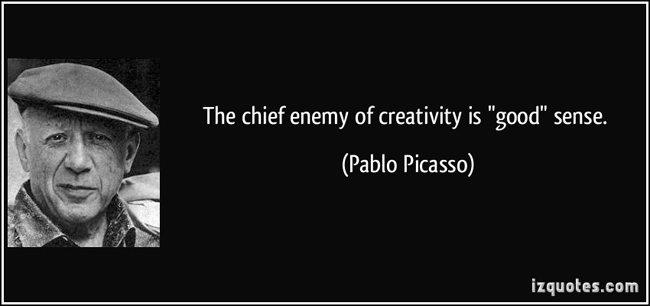
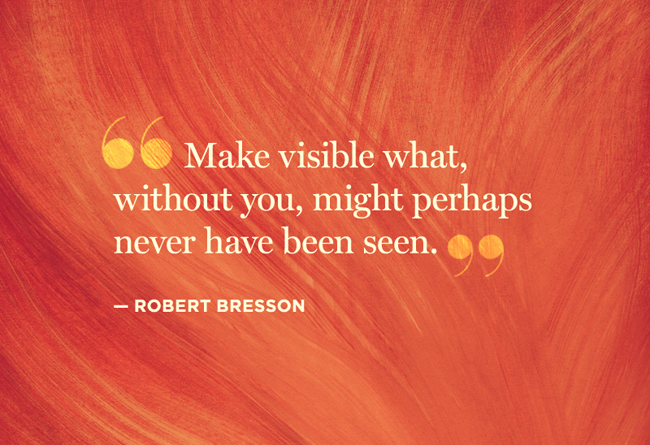
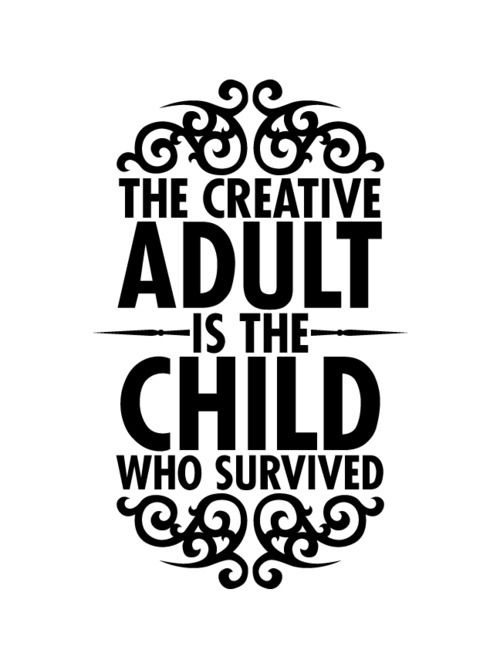
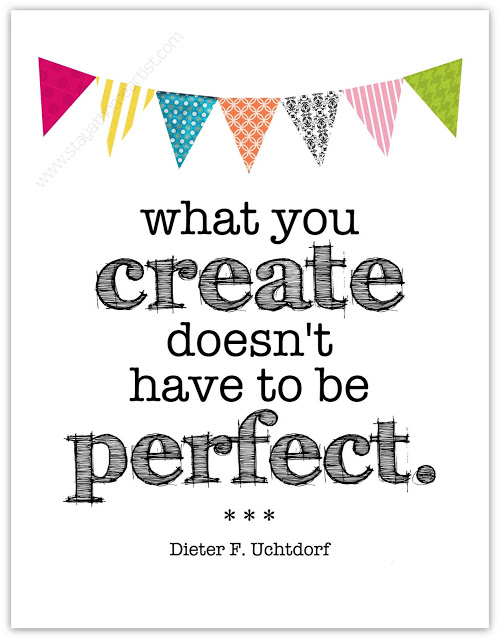
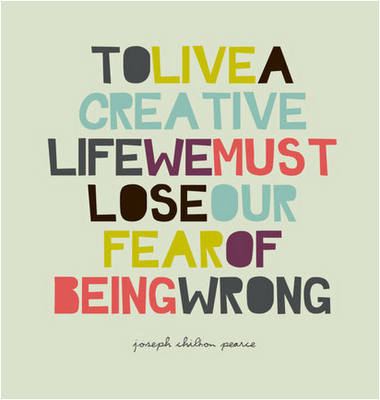
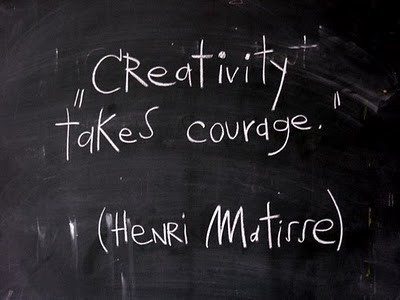
Here, I’ve gathered a few visual quotes that have helped me when I’m feeling particularly “ebbed out” with no inspiration. Enjoy, and get re-inspired!

creativityenemy
Source

seewhatsunseen
Source

creativeadult
Source

notperfect
Source

childartist
Source

losefear
Source

curiositysurvives
Source

intelligencehavingfun
Source

creativitytakescourage
Source

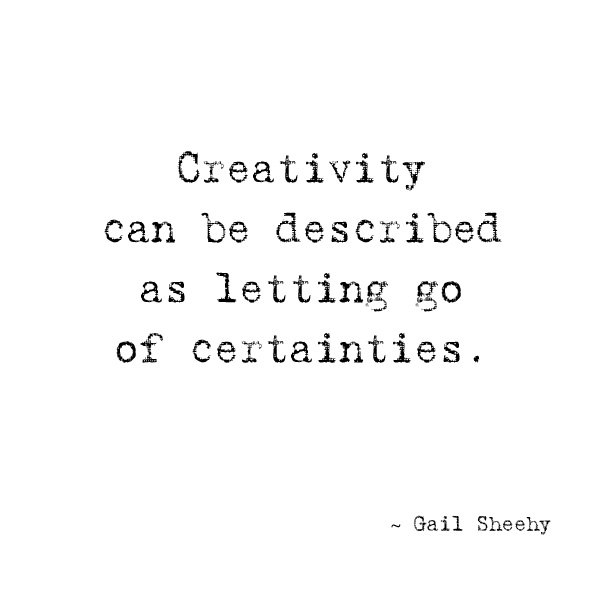
uncertainties
Source

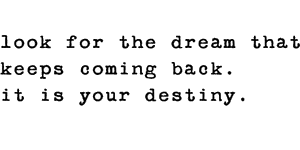
quotes_destiny
Source

4 Simple Tips for Writing Poetry

As a poet since at least the age of 7, I’ve experimented quite a bit with writing and reading poetry, working with word choices, line breaks, rhythms, punctuation, and several other tools to help get just the right effect for my poems. For me, poetry is very natural and has always been so.

But for some, poetry can seem at first like the most approachable and the most difficult literary form out there. Sometimes it seems like poetry is so “simple” that it’s easy to over-complicate it or mess it up.

If you’re new to poetry (or even if you’re not), try out the following 4 tips to create and shape your own lines. You might be surprised at the grace your words can have!

#1: Read Your Poetry Aloud

This is the first and probably best overall tip for writing poetry–reading your words aloud can help you solve most poetry issues, such as off-beat word rhythms, weird punctuation, awkward word choice, and the “flow” of lines together. Plus, it can help consolidate the idea behind the poem, so that you can cut out unnecessary material if need be.

#2: Play with Line Breaks and Spaces

Poetry can have a visual effect as well as a verbal and mental effect. Check out the differences in these three examples, all identical except with regards to line breaks and spaces:

Example #1

you smiled
and my watch stopped ticking
you spoke
and my heart and breath waited
to make sound
so they wouldn’t drown out
your voice

Example #2

you smiled
and my watch
stopped
ticking

you spoke
and my heart
and breath
waited

to make sound
so they wouldn’t
drown out
your voice

Example #3

you smiled and my watch stopped ticking
you spoke and my heart and breath waited
to make sound
so they wouldn’t drown out your voice

The line breaks and spaces in a poem give the reader’s eye a little rest, as well as implying small pauses and intakes of breath. As for the “correct” line breaks and spaces, it’s all subjective; it’s all up to your interpretation as to what “feels right” in your poem. (Side note: of the three examples above, I like #2 the best–the short lines lend a slightly breathless quality to the words of this love poem, and the amount of spaces make me think of halting, stuttering, “first-date” kind of feelings. Which example do you like best?)

#3: Use Your Natural Language

You will get the most natural and flowing poetry if you use words and phrases that are natural to you. Don’t get me wrong, it’s nice to have a few “vocabulary words” in your poetry every now and again if it makes sense, but your poetry doesn’t have to look like a dictionary or thesaurus threw up in it, either.

Trying to use unfamiliar words can make poetry feel stilted and un-expressive–the last things you want your poetry to be. Make your poems sound as much like you as possible, warts and all; after all, you’re the only one who can write like you!

#4: Commas or No Commas? That’s Your Discretion (Mostly)

Punctuation in poetry is a relatively thorny issue–some folks say you need it, others (like me) think that line breaks/spaces can achieve the same goal without cluttering up your verses. But there’s really not a wrong way to use punctuation in your verses, since poetry is not just communication, but art.

Do whatever looks and feels natural for your poetry, whether it’s putting punctuation in or not. Just please try to avoid the following style, which I call “comma-itis” (LOL):

when a poem,
has commas at the end,
of every line without,
really making sense,
it really annoys,
most readers,
no end.

Summary

Poetry doesn’t have to be daunting–trying any one of these tips (or all of them together) can help you write a set of beautiful verses. Put pen to paper (or open a new text document) and see what you can come up with!