Category Archives: Tuesday on the Soapbox

Anything from politics and current events to strange and beautiful life philosophies.

Poem: Not From This (Social) Planet

This was a dribble of content I couldn’t do anything with, until I turned it into a poem…and then it bloomed, suddenly and unexpectedly. I hope you enjoy this very different Tuesday on the Soapbox entry…

Sometimes I wonder if
I just landed here some years ago
Look out the back window
Wondering where my spaceship is

Been here long enough to acclimate
And yet the society I live in is baffling
I’m supposed to be a human
But human nuances perplex me

I don’t understand why “friends” trash-talk each other
I don’t understand why humans
Like to see each other in pain
I don’t understand why it’s funny to watch someone else fail
I don’t understand why people
Like to yell at those they love

Cloaking this misunderstanding
Is easy most of the time
But I can’t hide my grimaces from everyone
Someone’s bound to notice

Too sympathetic to not react,
Too chicken to speak up
I am caught in a trap of silence
And it’s easier to stay in it

I don’t understand why wars have to be fought
I don’t understand why humans
Defend things and ideas more than each other
I don’t understand why it’s funny to provoke another to tears
I don’t understand why people
Hate someone else’s ideas enough to kill

Was I really born as a human,
Or do I have shape-changing alien skin?
Am I really part of this society,
Or will I one day be called back to space?

It really makes me wonder,
Because there’s so much I don’t get
About how we all relate to each other–
And why I’m beginning to mimic it

I don’t understand why distant death is worth a shrug
I don’t understand why it’s weird
To cry for someone you never knew
I don’t understand why it’s okay to ignore someone else’s need
I don’t understand why humans
Have to need and be hurt before they understand

How Can I (or Anybody) Forgive All the Time?

I talk about forgiveness a good bit, but it’s much more difficult than I make it out to be. Sometimes, I pretend to forgive, but I really don’t. When someone hurts me on purpose, I remember it, whether I want to or not, for a long time. Years later, when I meet people who have previously been mean to me, I remember what they did, and it still negatively colors my perception of them. I might be able to carry on a polite conversation, but the horrible memories of their hateful words and actions hang between us like dirty laundry, silent but still fluttering in the breeze.

And I have a feeling I’m not the only one who carries these kinds of feelings.

Silently Unforgiven

When people deliberately hurt me and don’t care that they hurt me, I find it almost impossible to let go of the hurt.

Take the gang of girls in 6th grade who routinely stood on each other’s shoulders in the bathroom to see down into my stall so that they could make fun of my privates and my pooched-out belly, and dumped bathroom trash down on my head while they were at it. And their teasing did not just confine itself to the bathroom–oh, no, they poked me in the back with the sharp ends of pencils in class, slapped my open locker door so that it would hit me in the head, and mocked me so hard about my partially-clad body in the girls’ locker room that I took to changing in the tiny bathroom stall. (Not to say that these girls DIDN’T try to wedge their heads underneath the door so they could see me doing that, too. Ended up having to stuff my gym bag under the door so they couldn’t get under it easily.)

Their daily humiliation tactics are still effective years later–I’m still hunching in shame writing this. And it seemed that most of my teachers were blissfully unaware of this, or they chose to ignore it because I was the “problem kid,” the one who always cried about everything. I never stopped bringing this to their attention, but it took my parents talking to my teachers to get them to see that I wasn’t making this stuff up just to get attention. And even then, the teachers’ solution was to “make me some friends,” allying me with one of my worst enemies in an attempt to keep me from being lonely. They made such halfhearted attempts to understand or rectify the situation that it was laughable, if I could have laughed by then.

If I was commanded to instantly forgive these girls (as God commands us all to forgive), I don’t know if I could, not even 14 years later. I still want to punch every one of them in the face and stomp on their necks for the senseless cruelty they dealt out to a naive 12-year-old who didn’t know how to fight back. I have had vivid, triumphant dreams in which I did just that, letting the weight of my body, which they mercilessly teased me about, crush their throats so that they strangled to death under my feet. That’s how much I still hate all of those girls…

…and I hate myself, for being so evil as to think such things about another human being.

Silently Strangling Myself with Memories

Those mean girls aren’t the only ones I have trouble forgiving, either. Especially in middle school, I had a profound hatred for most of the people I went to school with, because I was verbally and physically abused by many different kids (shoved against lockers, held against the wall and pinched/slapped, picked on for everything from my “high-water” pants to my developing chest and hips). And I got repeatedly told by school authorities to “be more mature” and stop disrupting class with my complaints about being treated this way. All I know is, if this had been done to me in the “real world” and the offenders had been 18 years old, they would have been put on trial and sent to jail. I have a hard time forgiving the students who did this to me, the other kids who just stood around and watched, and the school authorities who refused to believe me and took the word of my tormentors over mine.

I’m probably the only one who still remembers what these people said and did; it lives with me every day. But how can I forget what they did, when it harmed me so much, when it happened at a time that I was very vulnerable?

I forgive the new hurts in my life a little more easily, because any harm I receive these days is usually due to accident rather than malice–we’ve all grown up and become a little nicer to each other, at least most of the time. But the old, malicious hurts, the ones I received while still developing, are almost too scarred to ever return to normal. How can I let go of the bitterness and hurt, when that bitterness and hurt has been incorporated into me, has become part of my story and part of the way I react to certain people?

Speaking, Finally

Acknowledging this gap between false forgiveness (paying it lip service while still feeling bitter) and real forgiveness (truly accepting the other person’s error as just that, an error) is important. Forgiveness, eventually, comes through realizing that people are not just the sum of their errors. One reason I’m so guilt-ridden about the mistakes I’ve made in my own life is because I keep looking at my life as a whole and only seeing the places I messed up–I focus too hard on all my errors, and it makes me have a negative self-image overall. I am not just the sum of my errors, and neither is anybody else.

But just realizing that is not enough to be able to forgive. This hatred, this bitterness and resentment, is old and dried and caked on my spirit. I have lived with it so long that it has become part of me, and excising it will take time. Yes, that gang of 5 or 6 girls made a lot of mistakes when they treated me like that, but I doubt they would have cared if someone had told them it was a mistake. Malice against another person for no good reason is something I don’t understand. Vengeance, angry justice, is something I understand all too well, and it’s something I still hunger for. Forgiveness cannot come if you are still seeking vengeance…believe me, I’ve tried.

Like many people who have trouble forgiving senseless, malicious acts, I don’t understand why I was treated the way I was by so many people, and I will likely have trouble forgiving until I understand. I have tried to reason out why so many of my classmates might have struck out at me this way–possibly jealousy because of my academic record? Possibly personal insecurity just like mine? Possibly trying to climb the social ladder by doing what everybody else was doing–picking on me? But nothing seems to match with the particular brand of outright gleeful cruelty that was dealt out to me by the gang of girls I spoke of. I fear I will never understand why they felt the need to hurt another person who was clearly no threat to them, physically, mentally, or spiritually. By the end of 6th grade I was so bent and broken inside that I often wished I would die in my sleep…and it was largely due to them. I was more of a threat to myself than they were, strictly because I knew hurting or killing someone else was wrong. (Didn’t stop me from thinking about it, a LOT, but I never did it.)

Forgiveness, the Christian Way

I know that to follow God’s will and Jesus’ teachings, I must be able to forgive, not just partially, not just saying the words, but actually doing it. And so, I am praying the following prayer, starting tonight and every night until I can finally forgive:

Lord, you know my feelings about these girls. You know how much I hate them, how much I resent them and regard them with bitterness. Help me lift these terrible feelings away from myself and trust them to You. Help me realize that these girls are humans too, that they might have been suffering too, even though right now I cannot believe that. Work in my heart and help me heal.

Forgiveness, the Christian way, is a daily process, full of backsliding and regaining balance; it’s not a one-time deal at all. If it was, I’d have been done years ago. This may seem silly to pray about something 14 years in the past, but if I’m ever going to feel free of bitterness, I have to do this. It may be the only way to stop feeling strangled with bad memories.

You Can Get Fat With Friends, But You Have to Get Healthy On Your Own

As a “fat girl” for the last 14 years of my life, I have struggled with my weight and my shape, trying all different types of lifestyle changes, eating plans, and even exercise programs. I have alternately hated my body and tried to love it, tried to use exercise equipment and then eschewed it, etc. I’ve tried walking alone on a track; I’ve tried doing various diets (even low-carb, for about 5 minutes); I’ve tried exercising with music on headphones. Nothing worked for a very long time–I got bored, I got out of the habit, and then it was back to living like I was, relatively sedentary because of my lower body’s arthritic injuries, and avoiding anything green and leafy like it’s got mold.

Does “Healthy Living” Always Have to Equal “Lonely Living?”

During these years of struggle, I’ve noticed something: “living healthy” is a lonely process, like I referenced in the title of this article. It’s very difficult to get people to eat healthier with you, or to exercise regularly with you, due to scheduling, different food needs and likes, and just plain being too busy or too disconnected. And since I’m such a social creature, liking to do things with other people than by myself, it makes it doubly hard to stick to any plan. Not only are the plans difficult to follow because they’re SO different from the way I live my life and they often cause me lots of physical pain, but I have to do everything alone. Doing things alone is a great way to unmotivate oneself.

Perhaps I sound like a crybaby. No matter; I’ve been called a crybaby many times during my life, and I’d say that my sensitivity makes me a much more impassioned writer and a better artist than it makes me a well-adjusted human being. It’s just that if I have to go through something as life-altering, painful, and tough as “getting healthy,” then I’d like a little support. After all, there are support groups for everything else in life.

“Anti-Health” Support Groups, Ahoy!

In fact, I’m comfortable making the assertion that we currently have unintended “anti-health support groups” in America and around the world. There are plenty of people to help you eat all the wrong things, but if you’re on a super-healthy diet, you eat alone. There are plenty of people to help you laze around and watch TV all day, but if you’re going to exercise, you have to do it by yourself. We all help each other sink farther and farther into unhealthy activities because those unhealthy activities feel so darned good and the healthy activities feel like punishment.

In light of this, why are fat people like me subjected to teasing, ridicule, and blame, when we ALL are to blame for being rather hedonistic in our choices of lifestyle? Somehow, it’s still completely “our fault” for being fat, even when the culture immediately around us rewards bad choices and punishes good choices.

When Good Health is Associated with Bad Emotions

I’m tired of being lonely during exercise, and I’m sure I’m not the only one. Apart from my Zumba experience, which has been amazingly awesome despite not being able to do quite all the moves yet, my exercise repertoire in the past mostly consisted of boring workouts that somehow manage to leave me unbearably sore and bedridden the next day.

Walking, for instance, BORES ME TO TEARS. Just walking and walking around in a circle not doing anything else productive is not relaxing for me–it makes me anxious about the time I’m wasting doing this useless junk when I could be at home working on a project I’ve got coming up. Walking and other “10-reps-of-this, 20-reps-of-this” exercises drive me insane. There’s nothing to THINK about except how much pain I’m in, and how much pain I’m going to be in tomorrow, and how airless my lungs feel. There’s an incredible isolation that descends upon you when you’re in pain–no one else can feel what you’re feeling at this moment, and quite possibly, no one even cares how much it hurts. When exercise is associated with humiliation and pain, it’s no wonder people don’t want to do it.

I’m also tired of being lonely at the dinner table, and I know I ain’t the only one. When everyone else is indulging in wonderful treats of all types and you’re stuck with a “Rabbit’s Delight” salad, you begin to feel like the odd one out. If you’re the only person counting calories, watching carbs or fat, etc., you feel like you’re in “Food Time-Out.” Starving oneself while everyone else eats heartily, eating something that tastes absolutely disgusting just because it’s “healthier” than what you like, is not my idea of culinary fun. As a very picky eater, hating almost all vegetables and fruits because of the nasty pulpy/crunchy textures and brackish dirt/water tastes, it’s hard for me to find healthy things that I can eat, though even I draw the line at Taco Bell’s ground beef these days (it’s more grease than meat, or is it just me?). I try to choose the least of the food evils and eat smaller portions of whatever I get, but I still feel like I’m depriving myself–and I end up hungry 45 minutes later, without fail.

Do We Deserve “Body Punishment?” I Don’t THINK So!

When “getting healthy” is lonely, boring, and horrible, it doesn’t exactly help anybody join the program. And yet, it seems there’s an idea of “body punishment” for those who have to get healthy to live longer lives–somehow, it’s perceived that we “did this to ourselves,” so we “deserve” all the pain and hardship we go through to get healthy. Not everyone who is fat and/or unhealthy got that way by life choices; sometimes, as in my case, our genetics chose for us.

A Side Note about How My Genetics Chose for Me
As a young child, up to about age 10, I was actually fairly slim, and tall for my age. In fact, my grandmother once got mad at my parents after seeing a photo of me at age 8 on a recent beach trip–she saw the dark circles under my eyes (hereditary) and the slenderness of my whole body and thought that they weren’t feeding me enough. But I went from being that tall and almost-too-skinny 3rd grader to being a rounded, textbook endomorph model in 5th grade. I was 90 pounds and 5’3″ at the beginning of 5th grade, and by the end of 5th grade, I was 145 pounds and 5’5″. I had just turned 11 years old, and went from skinny girl to fat girl almost overnight, gaining butt, breasts, and hips, and a wonderful little muffin top belly which has helped me look pregnant ever since. It was like a switch flipped off, and my metabolism crashed, with absolutely no change in exercise level or food intake. My mother, my aunt, both female cousins, and my maternal grandmother all went through this same body change at onset of puberty as well, so I know it’s not just peculiar to me.

I wish all the skinny Minnies who run diet and exercise plans understood this, how my own body betrayed me and made me a target for all the school bullies, both male and female. Because of how I was treated, especially in middle-school gym classes, exercise became strongly associated with feelings of unpreparedness, humiliation, and sub-humanity. It has taken over a decade to even begin to break down those psychological associations of punishment and pain, and I’m fairly confident my experience is all too typical.

How Can We Start Helping One Another?

Yes, I will say if somebody’s just sitting in bed day after day stuffing themselves until they’re almost sick, they’re doing themselves a disservice. But even so, they deserve support too. Otherwise, there will be no motivation to leave their comfort zone, and they will sink further into their painful and insidiously dangerous lifestyle. While I’ve never turned to food as an emotional void-filler, I do know the hopeless feelings associated with diet and exercise, and it’s no place for any human being.

If you truly want to help someone become healthy again, you don’t treat them like dirt–you offer them support in the form of being an “exercise buddy,” a “going-out-to-eat buddy,” whatever kind of buddy you need to be in order to keep them accountable (and keep yourself accountable, too). Knowing that someone else actually gives a rat’s rear end about what you’re doing is a wonderful motivator; I’ve seen it work with me and with other people, too. When other people reach out and care, when others connect with you, want to know week by week how you’re coming along, you start thinking “maybe I’m worth being cared about.” That healthy attitude change is the first real step to becoming healthy in body again.

“Unna-med” and Other Laughable Anecdotes from My Life

Academically, I’m considered a pretty smart girl. I’m a Phi Beta Kappa, was active in many academic honor societies, and generally got high grades in all my coursework (both in public school and in college). But, despite all this education and all these book smarts, I’m also quite capable of saying (and doing) dumb things, as are we all. Sometimes, there ain’t a drop of sense in my head, as the following anecdotes will show, rather plainly:

Hanging Up a Towel to Dry

One day during the summer I was 10, I had gone up to my uncle and aunt’s house about a half-mile away to swim in their backyard pool with my cousins. We had a great day swimming, and by the time I walked back to my house, my beach towel was completely sodden. I hung the beach towel on the bathroom doorknob when I got in, and promptly forgot about it as I took care of rinsing out my bathing suit and getting a shower to get all the chlorinated water out of my hair.

A few hours later, Mom came downstairs and was incensed to find that I’d left the beach towel hanging up to drip slightly-sandy water all over the bathroom floor. “What were you thinking?” she asked, showing me the dirty towel and the yucky bathroom floor. “You should have put the towel straight into the washer if it was dirty!”

“But Mom,” I argued back, “I had to hang it up to let it dry before I could wash it!”

…It made sense in my head… V_V

The “Shortcut”

A few years ago, I was attending college on a campus full of one-way streets. I had heard a lot of my friends complaining about them, saying that the path to one of the more centrally-located dorms was a particularly large pain in the posterior.

“Well, I never have any problems getting to that dorm,” I replied one time. “I found a shortcut.”

There was indeed a street that wrapped back around the dorm in question, and was easy to get to from the side of campus that we always approached from. All you had to do was turn left when you got past the cafeteria building and looped up toward the infirmary, and you could get to the back of the dorm really easily.

I had been going that way for as long as I could remember. Thus, I was shocked when a campus police cart pulled up behind me one day, its lights and horn going, as I was leaving campus for the weekend (since it was not only a shortcut to the dorm, but to the main road out of campus). I pulled to one side of the road and rolled down my window, expecting him to say I had a burned-out taillight or something.

“What are you doing?” he asked as he approached the window.

“I’m heading out of campus,” I said, gesturing forward as I spoke.

“Didn’t you see the signs?” he asked, and he pointed across the street, to a “Wrong Way” sign facing in my direction. Apparently, I had disregarded that one…just like I’d disregarded the four other “Wrong Way” signs I had already passed. My shortcut, it appeared, was indeed handy–but it was illegal.

(And don’t worry about my “record”–the campus police officer let me go, after I explained myself, with a laugh and a warning not to do it again!) XD

And now for the piece de resistance…

Hey Guys, Come Check This Weird Name Out!

When I was in 9th grade, I was taking Physical Science, and the teacher had a map and chart up of history-making hurricanes displayed on the wall near his desk. Having always been fascinated by the study of weather, I came in early one day and busied myself studying all the hurricanes listed on the map–where they hit, what time of year, how strong they were, etc.

One hurricane in particular caught my eye–it had struck southern Texas in 1899, and was named “Unna-med” (I mentally pronounced it “Oo-nah-mehd”). “WOW!” I thought. “That must have been a really active hurricane season–they got all the way to the U’s in the alphabet!”

Then I wondered what the name “Oo-nah-mehd” meant. “Wonder if it’s based on an ancient Aztec or Mayan word?” I mused. “It’s a really unusual name for a hurricane, but being that it hit so close to northern Mexico, they might have gone with an international name rather than an Americanized name.”

My head buzzed with this all day. I came home and told Mom and Dad about my discovery, and they were curious as well. I told them that I was going to school tomorrow to show the other kids what I’d learned and maybe ask my teacher about it. (Remember, kids, this was in 1999 before the Internets was the phenomenon that it is today. My family didn’t even HAVE internet at home yet, so I couldn’t go home and look it up–if I could have, I could have saved myself a fail. XD)

Anyhow, I got to school the next day and excitedly told all my friends about the crazily-named hurricane I’d found. They wanted to see the map, and I told them to come with me to my science classroom so I could show them. We were all pumped.

I tore up the stairs to the second-floor science classroom, put my stuff down at the desk, and went over to the map, easily finding the aforementioned storm name. I looked…and there it was. “Unnamed.”

“Where’s the cool storm name?” one of my friends asked, as she ran into the room after me.

All I could do was stand there and laugh, nervously. “Um…yeah, you’re not going to believe this, but…I totally misread the name,” I said, sheepishly.

“Wait, huh?” my other friend asked. Then she looked at the map, and where my finger was pointing.

“Unnamed?” she asked, furrowing her brow. “But you said it was…”

“Oo-nah-mehd,” I finished, and we all burst into giggles. Yes, that’s right, I had just figured out an exotic new pronunciation for the word “unnamed.” Fail complete, facepalm in progress. XD

And Yes…All These Stories Are True

Embarrassingly true. I think God’s “common sense” jar was empty the day I came through. XD But I have to be honest about myself (both my awesome moments and my laughable fails). Sometimes, it pays to remember we’re all human, and laugh about it. ^_^

I-N-C-O-N-V-E-N-I-E-N-C-E

I spelled this word out in my blog title because I have seen it misspelled so often it makes me laugh. “Inconvieniece,” “incoinvenice,” and even “enconvance”…and no, sadly, I’m not kidding. As a former English teacher, these spelling mistakes (on the outsides of otherwise professional businesses, mind you!) grate on my nerves like nails on a chalkboard. It’s an inconvenience to have to decode these handwritten signs! 😛

C-H-I-L-D-H-O-O-D, “childhood”

I’ve generally been an instinctive good speller, all through my life–writing words correctly came more naturally to me, possibly because of all the reading I did, and possibly because my parents used a large vocabulary around me at young ages. Unlike math, which remains a frightening overgrown jungle, spelling was laughably easy, at least on paper. I could clearly see the word in front of me, and if it was spelled wrong, it LOOKED wrong on the page–it looked ugly, ill-formed, and I eagerly sought to change it with my trusty eraser.

(Side note: Spelling out loud is quite another animal entirely from spelling in writing; the ephemeral nature of the spoken voice meant that I could not “see” what I was spelling and could not “see” where to pick up from if I paused in the middle of a word. Once I paused, it was like I was going to have to start back over if I was to complete the word successfully. Thus, the embarrassment of spelling “tied” as “tide” in the first grade spelling bee. Even though I KNEW as it came out of my mouth it was wrong, wrong, wrong, I couldn’t keep my traitorous tongue from spitting out the wrong sequence of letters because I had stopped in the middle of the word. GRR. Even 19 years later, GRR.)

But even people like me are not immune to misspelling words in print. Just now, I typed “misppelling” instead of “misspelling” and had to go back. Why? Because my little finger got trigger-happy on the P key. Keyboards make it a lot faster and easier to communicate, but you have to be a precision instrument in order to spell correctly 100% of the time. Let’s just say I’m very good at hitting the Backspace key at lightning speed to correct myself. Just like “tied” and “tide” (darnit, I did it again–I reversed the words!), I can feel when I’m spelling a word wrong or if I’ve hit a key too many times, unless I’m too wrapped up in WHAT I’m writing about to be bothered with it.

Can You Spell “I-N-T-E-R-N-E-T?” Oh, It’s Spelled Three Different Ways?

Difficulties with spelling are everywhere, due to many factors, such as the Internet, chatspeak and textspeak, lower emphasis on reading for pleasure in our society, and even less emphasis on spelling in schools. I actually had a parent come into my classroom one day asking me why her daughter’s spelling tests were pulling her grades down–“why does it matter so much?” she asked. I almost choked on my response trying not to laugh in her face. Of COURSE spelling matters; how am I going to know what your daughter’s turning in for assignments if I have no idea what language she’s writing in?

Some spelling mistakes even change the entire meaning of the word. Misspelling “from” as “form” is rather innocuous, but if you’re in a hurry and rearrange the letters of “this” into a popular four-letter curse, you’ll likely be in trouble with your boss. I know we’re all rushing around these days, but if we can’t even be bothered to make sure we’re communicating correctly, why even bother communicating at all?

What got to me the worst during teaching was that most of the spelling mistakes my students made could have been caught (and were indeed caught) when they read their papers through a second time. I took to having my students read their papers aloud before they turned them in, just to let them share their ideas with the class if they wanted to…and if I had a dollar for every time I heard them stop reading, pick up their pencil, and madly erase and rewrite, I wouldn’t be bothering looking for a job right now. XD I probably saved students a good bit of points off their papers for spelling mistakes by doing that, and I also saved myself a few headaches correcting them. It proves that they knew the correct spelling, but were hurrying through the paper and didn’t check it beforehand.

Making Our Communication Better

Adults can benefit from even just a scanning read-through of their communications, too. The number of emails I’ve gotten with “thier” in place of “their,” “your” in place of “you’re”, and “freind” instead of “friend” are amazing, and Internet websites (even the more reputable ones) are getting worse about those kinds of mistakes, too. Spellcheck won’t catch everything, either–it might catch “freind” and “thier,” but it won’t bother with “your” and “you’re.”

How can we get back to communicating clearly? This is, after all, a big problem–if we’re communicating with people who speak another language, feeding misspelled words into a translator will spit out garbage. Heck, some other native speakers might have a problem with reading what you’ve written, if it’s got enough mistakes in it. Below are some tips for spelling even in today’s Internet-driven world:

Steps to Spelling Better

  1. If in doubt, look up the word on Dictionary.com. Better to search and be sure of the spelling than unsure and wrong, especially if you’re writing to a boss or other authority figure.
  2. Sound the word out. To go back to the word “inconvenience” for a moment: the word is pronounced “ihn-kahn-VEE-nee-ence” (or “ihn-kahn-VEEN-yince” if you’re in the South like me). If it was spelled “inconvieniece,” it would be pronounced “ihn-KAHN-vee-neese.” Sound out what you have spelled and see if it reads the same way–if it doesn’t, you likely have a misspelling on your hands.
  3. Practice using the word you have trouble spelling as often as you can in emails, text messages, and written communication. It might be awkward at first, but if you get used to how it feels to type and write the word, you’ll misspell it less often. (This really, really works–I had to use this trick with the word “socioeconomic” because I kept trying to put in a few too many “o’s.”)
  4. Before you send anything out, read it aloud. Just like it worked for my middle-schoolers, it works for me–I catch all kinds of errors when I read my work out loud, like poor wording and too-long sentences. Spelling mistakes often jump out just as easily, and you can then take the time to look up any words which you’re not sure are spelled right.

Summary

If we don’t learn how to spell and practice the art of it, our writing will be dismissed, possibly even laughed at, and we might not be taken as seriously in the workplace. Our writing is how we communicate with others, and if it’s done poorly, we wno’t be udnrestode by enyun at ale. (See how bungled “won’t be understood by anyone at all” can become? …Ugh, that deliberate misspelling was painful to type. Yuck. :P)

But that is why spelling is important, and that’s what I told the mother of one of my students: “If you want your daughter to be able to write clearly when she graduates, you’ll work with her on her spelling. Otherwise, she’ll look unprofessional and uneducated her entire life, no matter how good her credentials are.” We have to keep that in mind for ourselves and our children. We wouldn’t walk into an interview or a fancy restaurant in wrinkled stained clothes; neither should we submit a resume (or an email) full of errors.

My Style In Pictures

mystyleinpictures
With the advent of Pinterest, we all find it easier than ever to describe our personal styles through pictures. As a plus-sized, partially disabled young woman, I can’t always wear or create all the things I pin (and who can? LOL!), but I’m still drawn to certain fashions, makeup looks, and hairstyles. Thus, my Pinterest boards have become both a realistic portrayal of my personal taste as well as a fantasyland of things I’d love to wear.

Scroll down and see key elements of my style (which I call “Comfortably Classy)! (You can click on the pictures to see these pictures on Pinterest, too!)

Hairstyles

longcenterpart headbandandroll auburnwaterfall
clawclip braidandbun bigwaves
sweptup highbun longsmoothhair

Makeup/Beauty Looks

oldhollywood naturalblush
contouredglowingskin darkstunning
smokyeyeredlip ombreliner

Jewelry

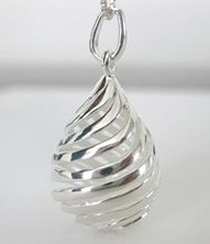
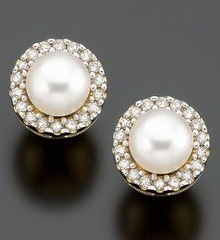
filigreedrop swirlingtear pearldiamondstuds
doubleinfinity fairynecklace crownring

Clothing

offtheshouldertop longjeans blackpencilskirt
boatneckdress ladylovesongdress blueskirt
capelet bellsleevedress pedalpushers

Shoes

jeweledflipflops anklestrapballetflats
wedgeheel ankleboots
stilettos

leatherballetflats

See More!

You can find even more examples of my style (plus a ton of life hacks, organization and decor ideas, health tips, etc.) over at my Pinterest!

Perfect Little Moments

perfectlittlemoments
As a break from the weightier Tuesday on the Soapbox posts of the last few weeks, I give you this poetic entry as food for thought…all the perfect little moments we live through every day, but rarely take time to really experience. Hope you enjoy the ones I’ve listed here from my own life, and I also hope it makes you think of some of your own perfect little moments in your life, too.

  • Driving down the highway, windows down and music turned up, with a bunch of best friends.
  • The faint, pleasant chill of early morning coming in through open windows, as you lie in bed, perfectly snuggled up in covers, perfectly aware that it’s your day off and you can sleep in.
  • Stepping out from a dreary building into a rain-washed world, where even the sky looks bluer and the sunlight seems cleaner.
  • Finding the cool spot on the pillow.
  • Bare feet on a gently sun-warmed wooden porch.
  • An honest, much-needed conversation over hot chocolate on a chilly day.
  • Being the only driver on the road as far as you can see, both ahead of you and in your rearview mirror. (Perfect time for serious, out-loud contemplation, or enthusiastic singing along to the radio)
  • Watching dawn or dusk creep across a quiet, rural landscape…soft light and shadow playing across the streets and into the fields and forests, colors of leaves and branches shifting in the changing light.
  • Coming into an air-conditioned building from the sweltering heat and humidity of high summer–like diving into a pool without getting wet.
  • Putting on still-warm-from-the-dryer underwear.
  • When the knot of traffic ahead finally eases and you can speed up at last.
  • Bowing your head to pray, and feeling all the worry and hurt ripple out of you as you honestly talk to God.

A Day in My Body

adayinmybody
Author’s Note: What you are about to read is a composite “day in my body,” involving all the pains and aches (and troubles) I’m likely to face on any given day. After all, no one knows exactly what anyone goes through in their daily lives, and that’s my point; I write this to talk about pain and fatigue in a personal, immediate way.

This post outlines a pretty typical day for me back in 2011–ankle pains, knee pains, headaches, and all. Even though I have had some relief from my headaches since then, it still shocks me that I do indeed go through most of these events every day. I guess even pain becomes customary and normal after a while. Yikes, what a thought. 🙁

This post might not be the most enjoyable (or interesting) I’ve ever written, but it is certainly eye-opening. If we all lived a day in another person’s body, what might we experience? What might we suffer?

Waking Up…In Pain

The insistent MAINK-MAINK-MAINK-MAINK of the alarm clock startles you out of bed. Actually, you weren’t really asleep–you’ve been going in and out of sleep for the last hour, lying there on your side. Too many things to think about, too much to do today…and since your flattened pillow was crammed against the loose headboard, your neck and head are burning with pain anyway. It’s almost more of a relief to sit up and shut the irritating alarm off.

Right foot hits the floor, and the old familiar lightning strike of pain zaps your heel, zipping up the back of your leg, threatening to crumple your knee even as you try to put weight on it. Familiar as this pain is, it’s still a shock to the system. Depending on your left leg (the obedient one, at least this week), you hobble to the bathroom; even after eight hours of rest, your right ankle is still swollen and hurts, just as it has hurt every morning for years.

Getting Ready for the Day, And Already Tired

Completing your morning ablutions is a sorry task this early in the morning. Having to depend on your left leg yet again in the shower makes the whole leg a little sore, but it’s better than dealing with the brain-jangling pain in your right ankle and foot arch (the one that never existed thanks to genetics). Murphy’s Law dictates that next week, your left ankle and left foot arch will be the ones acting up every morning–you just hope your right ankle is a little better by then.

As you descend the stairs to the basement to retrieve clothes, one step at a time, you’re not sure which ankle hurts less. Each time your heel strikes another stairstep, there’s a sharp clanging pain like horribly-out-of-tune church bells in your nerves. But it must be done, and you clump down the stairs heavily, stumbling by the time you reach the basement.

You struggle to fit your jiggling thighs and tummy into panties and then jeans, “dancing” into them to fit the fabric around your hips and waist. Elastic leg bands slide perfectly into the grooves between thighs and stomach, binding your flesh tightly, as underwear has done since you were eleven years old. Zipper and button tightens the waist of your jeans, though there was no chance of the taut fabric going anywhere even without being fastened–the 10-inch difference between waist and hips takes care of that.

Shirts are a little less difficult, but you still look lumpy and saggy in the mirror. Even the expensive plus-size bras don’t make you look your age–it looks like you’ve already had several children and never gave them a bottle of store-bought formula in their lives. Weight drags at your shape in every direction, most evident when you try to haul your 300-pound mass back up the stairs; knees crunch painfully with every upward step, and weakened ankles threaten to roll inward and crumple your legs as you pull yourself up.

The Walmart Trip of Fail

Getting dressed and getting back up the stairs was enough of a challenge, it seems–you’re already out of breath, and disgusted with yourself for it. You had planned to go to Walmart today to pick up groceries, but your ankle angrily disagrees. Even thinking about the walk in from the inordinately-large parking lot is unbearable at this point. Why bother going, when you’re only going to get to the door and want to just turn around and go home?

It takes a lot of motivation to finally get up the courage to go out. Strapping on the black ankle stabilizer brace provides a momentary flood of relief; if only the thing were waterproof so you could wear it in the shower. Maybe then the ankle would feel well enough to conquer Walmart. As it is, you will settle for just picking up what you absolutely need and getting out of there without standing in horrible lines that make the soles of your feet burn.

Walking the aisles at Walmart–or any large store, actually–is a grand adventure in Tantalus-like torture. So many things you want to see and do, and yet your ankles and knees have put you on a strict timer: “5 more minutes and we’re done,” they shout. Never mind that it will take 5 minutes just to pick up one of the items you need. You end up pushing past that horrible time limit, but the growing pain on the outside of your right ankle indicates swelling, again. You’ll be paying for that later, and not with a debit card.

Noon comes, and sees you coming home with groceries in tow; hitting the gas pedal with your right foot is only marginally less painful than standing in the lines. You really wish the woman in front of you had not mistaken the “20 Items Or Less” line for the “Customer Screams at Cashier for 10 Minutes” line. But you’re seated again and you’re back to your usual self, not emotionally strained and near to bursting out with anger, like you feel when you stand for long periods of time. Driving is a lot less painful, and you feel the blood pressure in your temples receding, even though your right temple is beginning to throb with the first teasing poke of a headache.

Headache Comes to Join the “Party”

Later in the afternoon, after you’ve come home and unloaded the groceries, you’re lying in bed, luxuriating in being off your swollen ankles. The right one is currently lying atop a towel-covered ice pack–cold has never felt so good. It’s good to be off your feet, and you try to get a little bit of computer work done (typing, designing, and writing), only to realize that the teasing headache of a few hours ago is now starting to bloom into your face and down your neck on the right side. Turning your head and trying to pop your neck results in a short respite, but the pain comes roaring right back, burning along nerve endings, turning your pulse into a painful drumbeat. This pain centers in the right temple, making vision flash and concentration almost impossible within minutes.

Hours Later and No Relief, As Usual

Lying in your darkened room, the classic treatment for a migraine, your ankle lies forgotten for the moment on its ice pack. It’s now been an hour since you took your prescription “migraine medicine,” and 30 minutes since you took an Advil Migraine, and yet the pain still surges through your temple, making the whole right side of your face feel funny. If you press your fingers to your temple, you can feel a blood vessel, corded and thick, pounding right under your fingertips. You’ve had all sorts of headaches all your life, ranging from the dull thump of a sinus headache to the sharp, eye-searing classic migraine, but this is a headache in its own class…and medicines do not touch it, just as medicines do not completely soothe your crunching knees and swelling ankles.

Nighttime–You’ve Made It One More Day

As evening falls, you manage to take in a little TV, along with a little bit to eat…the headache won’t allow much past your lips, but you’ve got to eat something. The ankle, as if sensing its complaints won’t be paid much attention, has quit aching quite so much, so the stumble to the kitchen is less painful than you feared a few hours ago. Now the goal is to ease the headache enough to sleep–except for the fact that every position your neck gets put in to go to sleep results in alarmingly-worse pain rocketing up into your head.

You end up resting propped against the headboard for a blessed hour or two, until at last the headache loosens its death-grip on your temple and eases off just enough for you to sleep. Sleep dulls the pain, but it will wake you again in the morning; the irritating MAINK-MAINK-MAINK-MAINK of the alarm will not be needed tomorrow morning, because it will already be jangling in your nerves.

A Cluttered Mind

aclutteredmind
Many of us suffer from physical clutter in our homes (myself included). It’s a modern housekeeping malady–we have tons of stuff, lying all over the place or squirreled away wherever it can fit. Most of us don’t even want to THINK about opening our storage closets or outbuildings anymore.

Clutter Isn’t Just Physical

But clutter doesn’t just manifest as piles of old receipts on the desk or stacks of old books on the floor. Clutter appears also in our heads. I find myself pushing aside various half-completed mental to-do lists and worries in order to try to complete a task; when I drive, I often start sorting through old guilt, things I forgot to do, and random ideas that pop to mind when, of course, I can’t stop to write them down.

Yep, my mind is a very cluttered place, just like many of the rooms in my house. Any horizontal space in my home is instantly a clutter magnet, and any free neurons in my brain are instantly taken up with endlessly processing and reprocessing worry and guilt. The worry is about tomorrow, and the guilt is about yesterday. Today is too full of failing to even process most of the time.
I would feel fairly safe in guessing that most of us suffer from cluttered minds. If you look at the increasing instances of car accidents, workplace problems, and relationship/family strife, it all seems to point to stress and overcrowded minds. Victims and perpetrators of car accidents alike say “I never saw him/her coming,” for instance. We were too mentally busy to properly look, perhaps, or to properly brake to avoid an accident. I’ve had more than a few near misses myself, so it’s easy for anybody to slip up. We also slip up in our emotional lives, hurting others and never even noticing because of the mental clutter we are tripping over.

Housekeeping for the Mind

Trying to de-junk our homes is one thing. It seems to be easier to separate out what is clearly too broken to save, too dirty to bother cleaning, and too old to matter when we are handling physical objects–well, at least for people who don’t hoard random stuff like Propel water bottles. (Not my finest moment, I assure you.)

But what about de-junking our brains? It’s much more difficult to discard old bad memories, especially when it seems like they hold a terrible truth about the kind of people we really are inside.

For example: Sometimes I lie awake at night thinking about the time I chucked a rock behind me during recess, trying to get back at some of the mean boys who were throwing rocks at my legs as I ran by. I hit another little girl instead, and I really hurt her leg–bruised it up something awful. And I never truly apologized. It’s been almost twenty years and I still think about it, because in those moments I was vengeful and selfish, and it led to carelessness that hurt someone else. And not only did I hurt someone, I never apologized. Is that the kind of person other people remember me as? Is that the kind of person I still am?

That’s one small example of my guilty mental clutter, among the many dirty and shameful memories I have stacked in my mental closet. It’s like I hoard these memories as a reminder that I am capable of being an awful person, just in case I ever get a little bit too full of myself, just a little too proud of the person I’ve become.

I have a feeling that a lot of us do this to ourselves, maybe not always to de-puff our egos, but for reasons of our own. Maybe we feel we’re not good enough to warrant being happy, or maybe we keep these old memories around as a way of keeping ourselves from backsliding back to where we were. In any case, these cluttered memories, those old worries, guilt, and fears, keep us from living the kind of life we want to live, just as the stacks and stacks of junk in my room right now are keeping me from living the kind of life I want for myself. We can make ourselves literally sick doing this kind of stuff to our minds–anxiety, depression, insomnia, and chronic stress don’t just appear from nowhere.

Courage to Pick up the Mental Broom

If we want uncluttered minds, we have to be willing to work to clear it. My very wise and very forgiving boyfriend has talked with me often about letting go of old guilt, even saying one time, “You know, you’re probably the only one who even remembers that this happened. If the people you hurt or offended that long ago have forgotten it, then why are you still holding on to it?”

I explained my point above, about my old actions possibly revealing an ugly truth about me, and he said, “Well, if you didn’t have any flaws and never made any mistakes, you’d be Jesus, and as awesome as Jesus is, I don’t know if I could date Him.” We laughed, but he was right. I needed to let go of old junk in my head; even if the “ugly truth” was true at the time, I can work now to fix that flaw in myself now. People can change, houses can be clean again, and minds can be clear.

I can’t say I sleep like a baby at night now, because I don’t. I still have old guilt and new worries swirling about on my mental floor. But at least I am now armed with a broom, and can sweep those problems out. You can be armed with a mental broom, too.